




In 2026, schools and colleges will rely more on AI-powered education CRM platforms that work directly with Student Information System (SIS) enrollment systems to handle and convert more and more student inquiries. Today’s admissions teams get leads from a lot of different places, like websites, social media campaigns, recruitment fairs, and digital marketing efforts. The real challenge is turning those leads into enrolled students without adding more work for the admissions staff.
AI-powered CRM software for education fixes this by bringing together all the information about potential students, streamlining the admissions process, customizing recruitment messages, and syncing applicant data with institutional SIS records. This integration makes the process from inquiry to enrollment smooth, which helps universities and schools keep better track of potential students, increase the number of students who enroll, and make admissions processes more efficient.
This guide compares 10 AI-powered CRM platforms that work with SIS enrollment systems. It helps schools and universities find the best technology for managing enrollment, automating admissions, and recruiting students.
Table of Contents
Quick Comparison of AI CRM Platforms for Education
| Platform | CRM Strength | SIS Integration | Best For |
| Classe365 | Unified CRM + SIS platform | Native integration | Institutions wanting a single system |
| Salesforce Education Cloud | Enterprise AI analytics | API integrations | Large universities |
| Element451 | AI engagement automation | SIS integrations | Higher education recruitment |
| LeadSquared | Admissions pipeline automation | API integrations | High inquiry volumes |
| HubSpot | Marketing automation CRM | Third-party integrations | Digital recruitment teams |
| Zoho CRM | Affordable CRM platform | API integrations | Small institutions |
| Slate | Admissions-focused CRM | SIS integrations | Universities |
| Microsoft Dynamics 365 | Enterprise CRM ecosystem | Partner integrations | Enterprise institutions |
| Pipedrive | Pipeline tracking CRM | Third-party integrations | Small recruitment teams |
| Freshsales | AI communication automation | API integrations | Smaller education providers |
1. Classe365
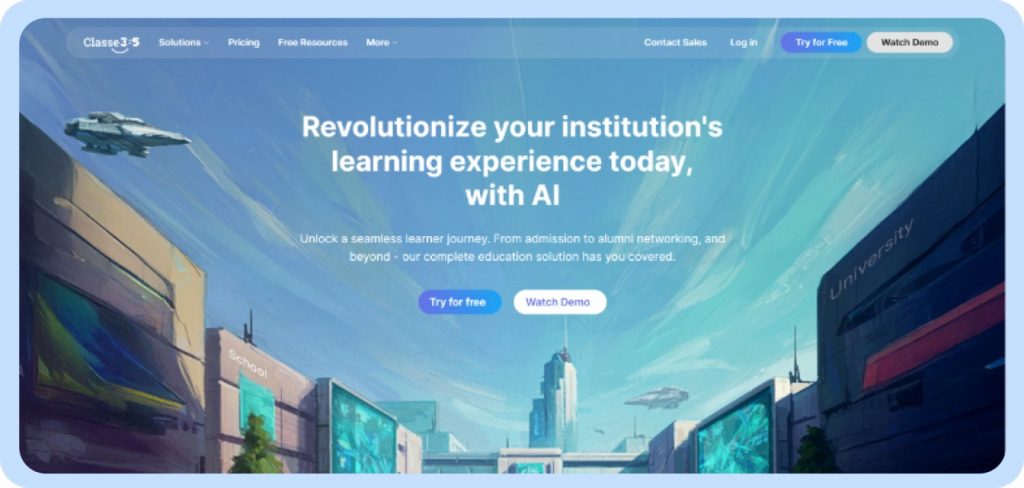
Many institutions struggle with fragmented technology stacks where CRM, admissions software, and SIS operate independently. Classe365 solves this by combining CRM, SIS, LMS, and finance modules within one unified platform.
This architecture allows institutions to manage the entire student lifecycle, from inquiry to enrollment, inside a single system, reducing data silos, eliminating manual data transfers, and giving admissions teams full visibility into the recruitment pipeline.
Key AI-Driven CRM Features
Classe365 provides admissions teams with a complete recruitment automation toolkit:
- Inquiry Capture And Lead Management
- Automated Admissions Workflows
- Omnichannel Communication (Email, Sms, Whatsapp)
- Document Management For Applications
- Enrollment Analytics Dashboards
Admissions counselors can track every prospective student interaction, ensuring that no inquiry is lost during the recruitment process.
Native SIS Enrollment Integration
Unlike standalone CRMs that require integrations, Classe365 includes a built-in Student Information System.
This allows institutions to:
- Automatically Convert Admitted Applicants Into Active Student Records
- Synchronize Admissions And Academic Data In Real Time
- Maintain A Unified Student Profile Across Departments
Because CRM and SIS exist within the same platform, institutions eliminate manual data transfers between systems.
Best For
Classe365 is ideal for institutions that want to simplify admissions operations and manage the entire enrollment lifecycle within one platform:
- Institutions seeking a unified CRM and SIS platform
Manage student recruitment, admissions, enrollment, and academic records within a single system, eliminating the need for separate tools and improving operational efficiency. - Admissions teams that need centralized recruitment management
Track inquiries, applications, and enrollment progress from one dashboard, enabling better visibility into the admissions pipeline and improving conversion rates. - Institutions looking to reduce reliance on multiple software systems
Replace fragmented tools with an integrated platform that simplifies workflows, reduces administrative overhead, and ensures consistent student data across departments.
2. Salesforce
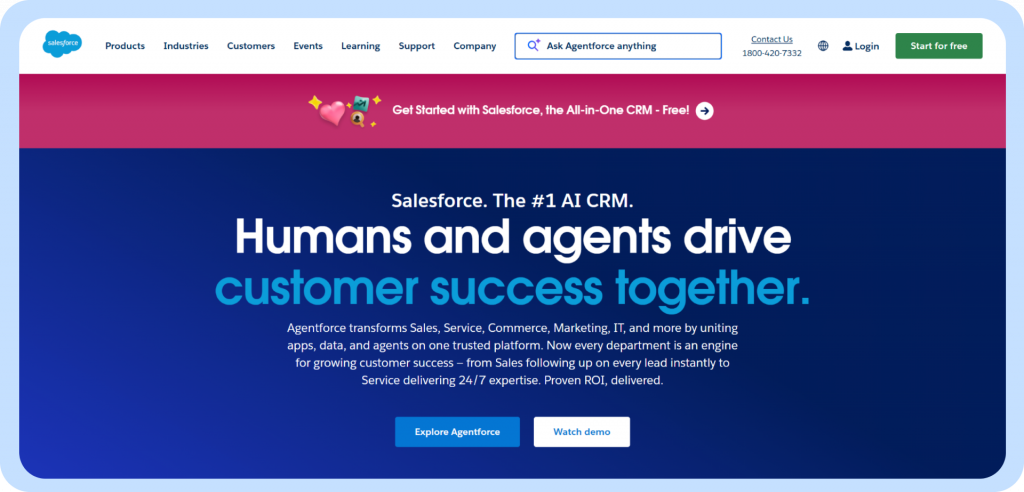
Salesforce Education Cloud is widely used by universities to manage recruitment operations, marketing automation, and student engagement.
It is built on the Salesforce CRM ecosystem, offering powerful customization and analytics capabilities.
Core CRM Capabilities
Admissions teams can leverage Salesforce to manage complex recruitment pipelines.
Key capabilities include:
- Ai-Driven Recruitment Analytics
- Automated Lead Nurturing Campaigns
- Customizable Admissions Workflows
- Advanced Reporting Dashboards
The platform also allows universities to track the entire student recruitment lifecycle.
SIS and Data Platform Integration
Salesforce typically integrates with institutional systems using:
- Apis
- Middleware Platforms
- Integration Partners
These integrations enable the synchronization of admissions data with SIS records.
Limitations
While Salesforce offers powerful capabilities, institutions must consider:
- Complex Implementation Requirements
- High Customization Costs
- Reliance On Third-Party Integrations
3. Element451
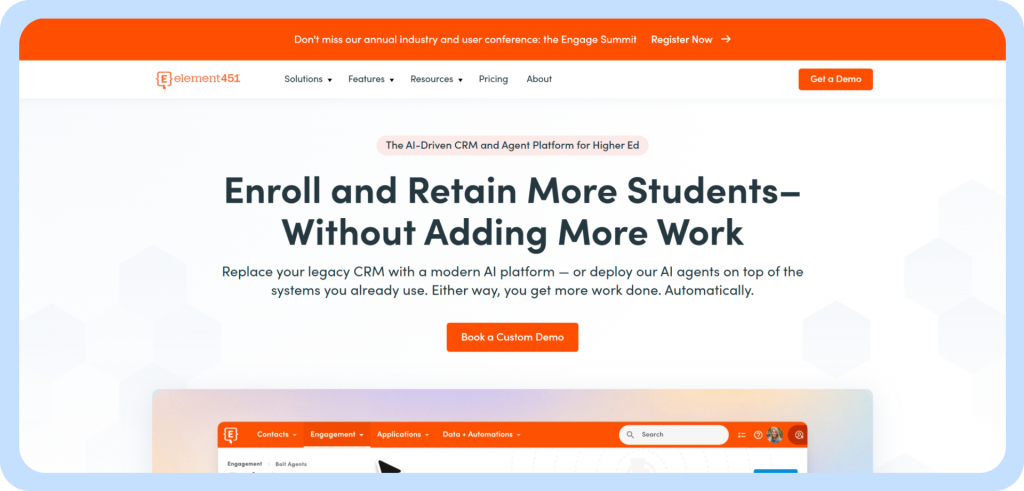
Element451 focuses specifically on AI-driven student engagement and recruitment automation.
Its platform is designed to help universities personalize communication with prospective students throughout the admissions journey.
Key CRM Features
Element451 provides tools that allow institutions to automate recruitment interactions.
Core features include:
- Ai Chatbots For Prospective Student Engagement
- Behavioral Analytics Dashboards
- Automated Messaging Workflows
- Predictive Lead Scoring
These tools help admissions teams identify the most engaged prospects and prioritize outreach.
SIS Integration Approach
Element451 connects with institutional systems including:
- Student Information Systems
- Learning Management Systems
- Marketing Automation Platforms
These integrations allow institutions to synchronize engagement data with enrollment records.
Best For
Element451 is best suited for universities that prioritize:
- AI-Driven Communication Automation
- Personalized Student Engagement
- Recruitment Analytics
4. LeadSquared
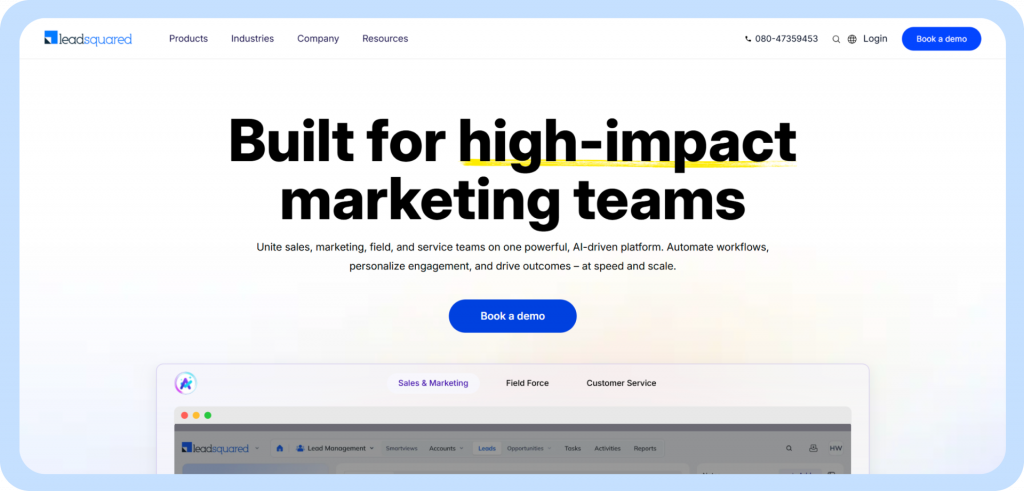
LeadSquared is designed to manage high-volume student inquiries and streamline admissions pipelines.
Institutions that run large marketing campaigns often use this platform to organize recruitment operations.
Key CRM Capabilities
LeadSquared supports the full recruitment pipeline with features such as:
- Lead Tracking And Scoring
- Automated Counselor Assignment
- Document Management
- Admissions Workflow Automation
These tools help admissions teams manage large numbers of applicants efficiently.
Integration With Campus Systems
LeadSquared connects with institutional technology stacks using:
- Apis
- Custom Integrations
These integrations ensure that admissions data flows into SIS platforms once students enroll.
Best For
LeadSquared is commonly used by institutions that manage:
- High Inquiry Volumes
- Digital Marketing Campaigns
- Centralized Admissions Operations
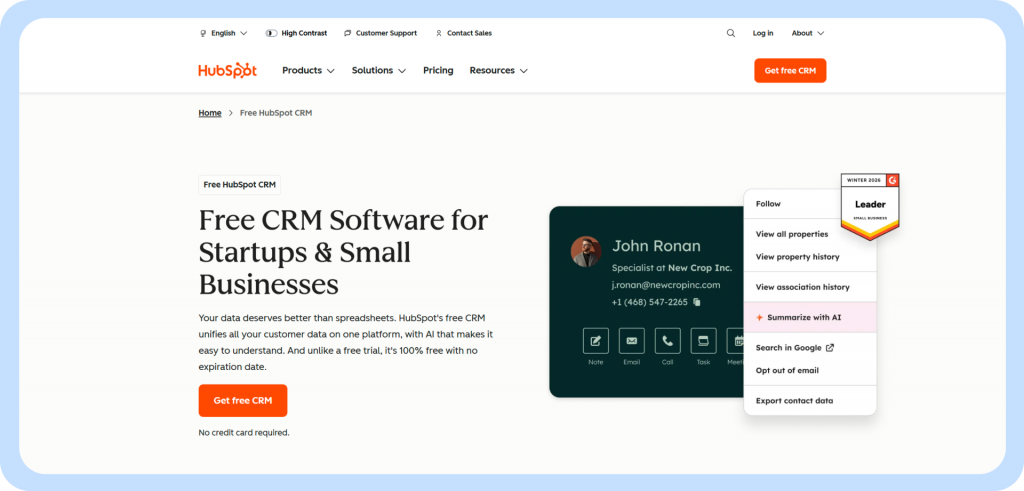
5. HubSpot
HubSpot is a well-known CRM platform used across many industries, including education. Although it is not designed specifically for institutions, it can be adapted for student recruitment workflows.
Core CRM Features
HubSpot provides marketing and communication tools that admissions teams can use to nurture prospective students.
Key features include:
- Lead Capture Forms
- Marketing Automation Campaigns
- Email Communication Tracking
- Recruitment Pipeline Dashboards
SIS Integration
HubSpot typically integrates with institutional systems through:
- Third-Party Connectors
- Apis
- Custom Development
Best For
HubSpot works well for institutions focused on digital marketing-driven recruitment strategies.
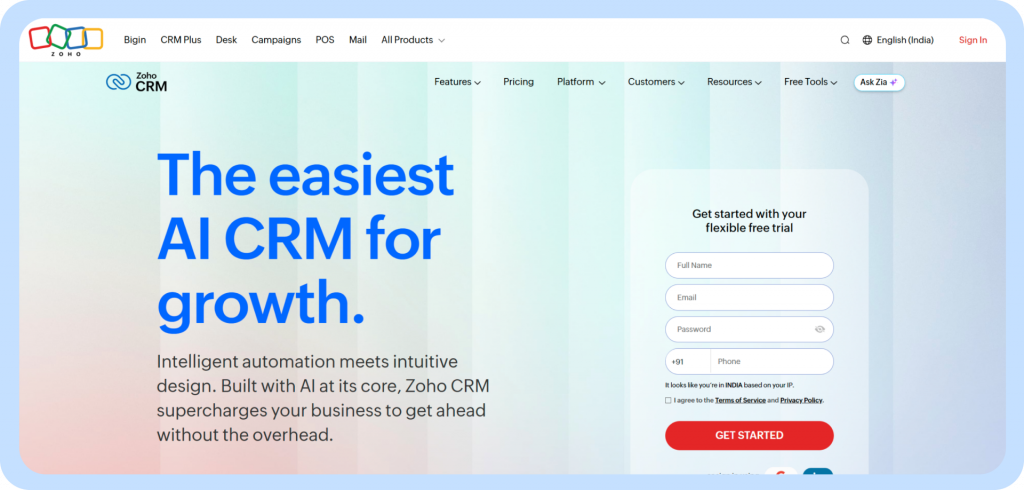
6. Zoho CRM
Zoho CRM is often chosen by smaller institutions because it provides CRM capabilities at a relatively affordable cost.
CRM Features
Key capabilities include:
- Lead Management
- Workflow Automation
- Reporting Dashboards
- Email Campaign Tools
Education Use Case
Education teams commonly use Zoho CRM for:
- Inquiry Tracking
- Admissions Follow-Ups
- Marketing Campaigns
Limitation
Zoho CRM requires customization to integrate fully with institutional SIS platforms.
7. Slate by Technolutions
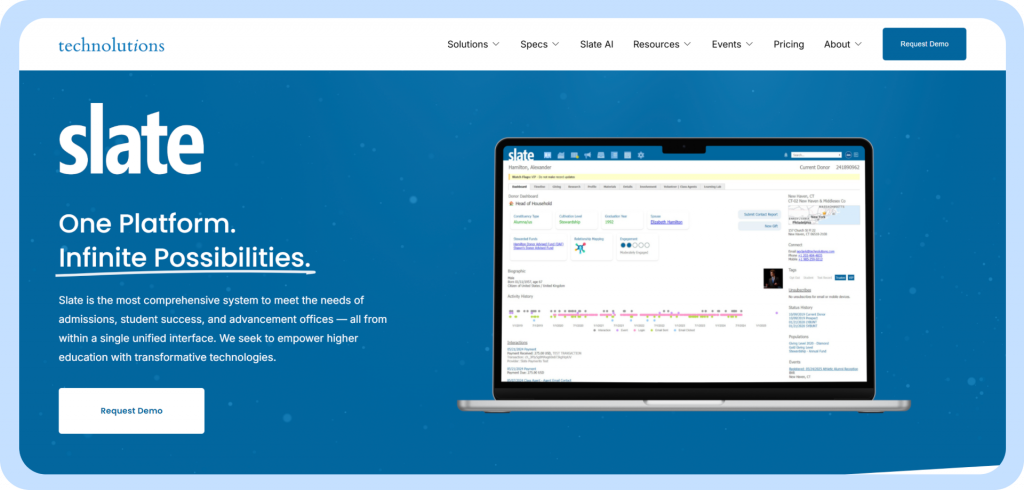
Slate is widely used by universities as a specialized higher education admissions CRM platform designed to manage complex recruitment and application workflows. Many universities rely on Slate to centralize prospective student data, application management, and admissions communications within one system.
The platform is particularly popular among large institutions that manage high volumes of applicants and require structured admissions processes. With advanced reporting and workflow automation, Slate helps admissions teams streamline recruitment operations and improve enrollment management efficiency.
Key Capabilities
Slate provides tools designed specifically for higher education admissions teams.
Features include:
- Application Management
- Communication Workflows
- Admissions Decision Tracking
- Reporting Dashboards
Slate typically integrates with institutional systems to synchronize admissions data once students are admitted.
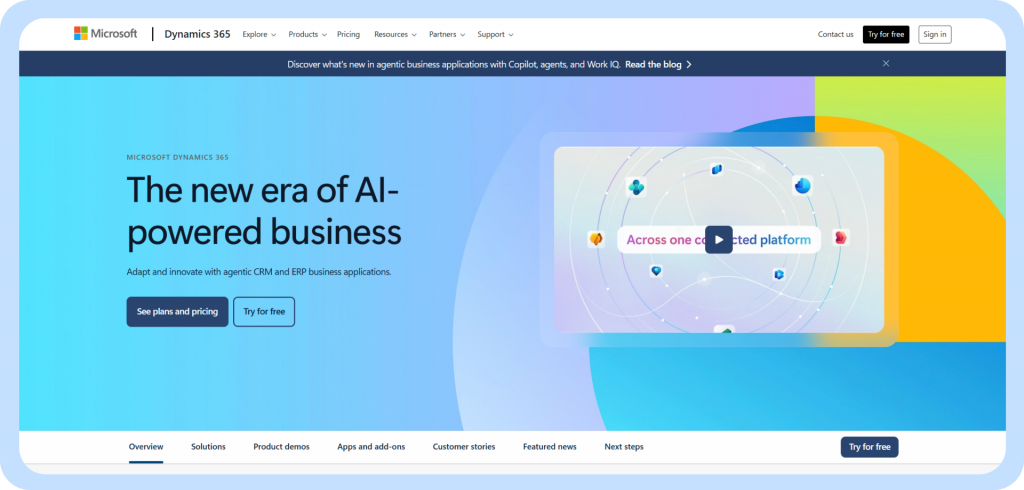
8. Microsoft Dynamics 365
Microsoft Dynamics 365 is an enterprise CRM platform used by large organizations, including universities.
Features
Dynamics provides a wide range of enterprise tools such as:
- Ai-Driven Analytics
- Marketing Automation
- Workflow Management
- Advanced Reporting Dashboards
SIS Integration
Universities usually connect Dynamics with institutional systems using:
- Apis
- Integration Partners
- Middleware Platforms
9. Pipedrive
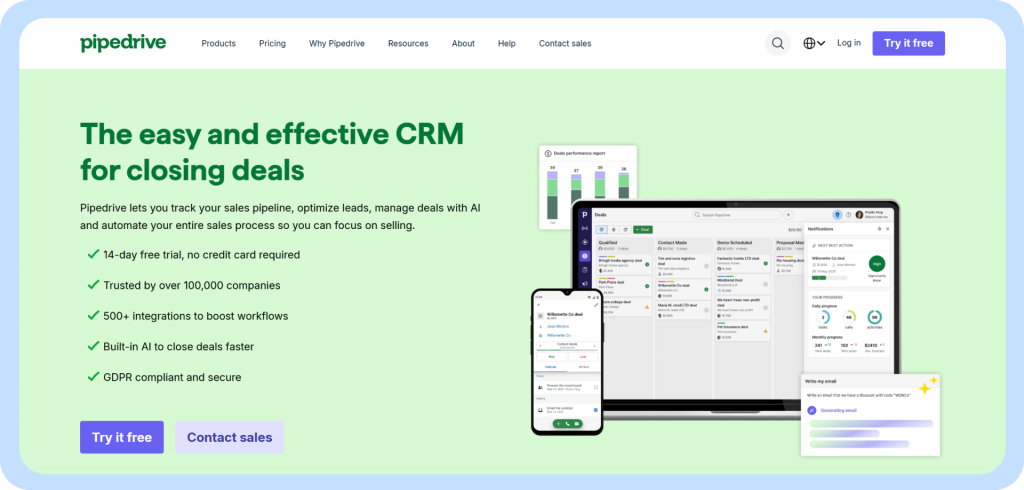
Pipedrive is a simple pipeline-focused CRM originally designed for sales teams. Some institutions use it to track prospective students through recruitment pipelines.
Key Features
Pipedrive allows teams to visualize recruitment stages.
Capabilities include:
- Customizable Pipelines
- Automated Follow-Ups
- Recruitment Analytics Dashboards
Institutions can adapt these features to track students from inquiry through application stages.
10. Freshsales
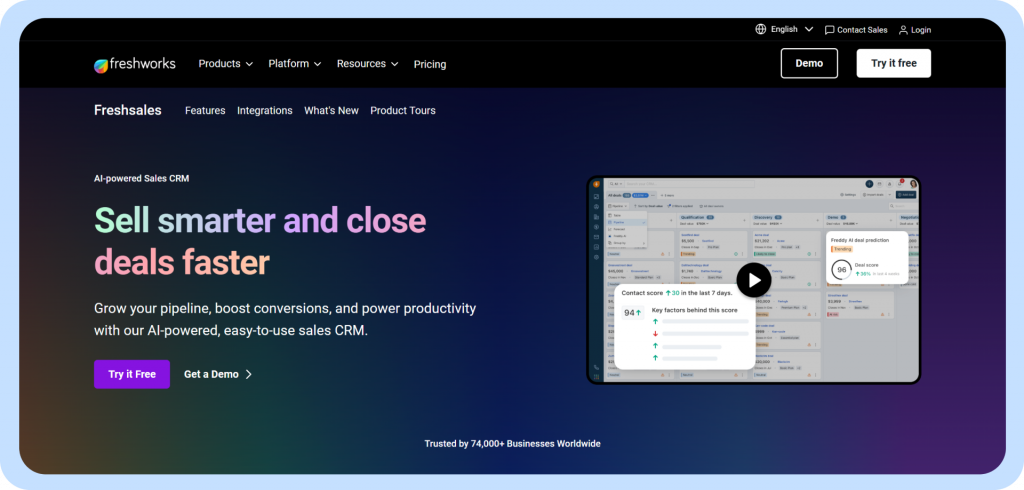
Freshsales is an AI-powered CRM platform designed to help organizations automate lead management, sales pipelines, and customer engagement workflows. While widely used across industries, education providers increasingly adopt Freshsales to manage prospective student inquiries and recruitment pipelines more efficiently.
With built-in automation, AI insights, and analytics tools, the platform helps admissions and marketing teams prioritize leads, personalize communication, and track recruitment performance.
Capabilities
Freshsales includes several automation tools useful for recruitment teams.
Features include:
- Ai Lead Scoring
- Automated Communication Campaigns
- Contact Tracking
- Analytics Dashboards
Education Use Case
Education providers often use Freshsales for:
- Managing Prospective Student Pipelines
- Automating Communication Campaigns
- Tracking Recruitment Performance
What to Look for in an AI CRM That Connects to SIS Enrollment
Selecting the right AI-powered education CRM requires more than basic lead management. Institutions should evaluate how well the platform integrates with the Student Information System (SIS) and supports the full inquiry-to-enrollment workflow. The following capabilities are critical when selecting a CRM for admissions and enrollment management.
1. Bi-Directional CRM and SIS Data Synchronization
One of the most important capabilities is bidirectional data synchronization between the CRM and the Student Information System.
This ensures that applicant data flows automatically between both systems. Once a student is admitted, their information is instantly converted into an official student record within the SIS, eliminating manual data entry and preventing duplicate records.
Institutions that lack this capability often rely on spreadsheets or manual data transfers, which slows down enrollment operations and increases the risk of data inconsistencies.
2. AI Enrollment Forecasting and Predictive Analytics
Modern AI-driven CRM platforms increasingly include predictive analytics that help institutions forecast enrollment outcomes.
These tools analyze historical admissions data and recruitment performance to predict:
- Application completion rates
- Enrollment yield (accepted vs enrolled students)
- Recruitment campaign performance
With better forecasting insights, admissions leaders can allocate recruitment budgets more effectively and adjust outreach strategies earlier in the enrollment cycle.
3. Omnichannel Student Communication
Today’s prospective students interact with institutions across multiple communication channels.
Leading education CRM platforms support omnichannel communication tools such as:
- Email campaigns
- SMS messaging
- WhatsApp outreach
- AI chatbots for instant responses
This allows admissions teams to maintain consistent engagement with prospective students throughout the recruitment journey while improving response times and communication personalization.
4. Admissions Workflow Automation
Automation is essential for institutions managing large applicant volumes.
Advanced CRM platforms automate repetitive admissions tasks such as:
- Document verification and application checks
- Automatic counselor assignment
- Follow-ups with prospective students
By automating these workflows, admissions teams can focus more on applicant engagement rather than administrative processing.
Why Institutions Are Moving Toward Unified CRM and SIS Platforms
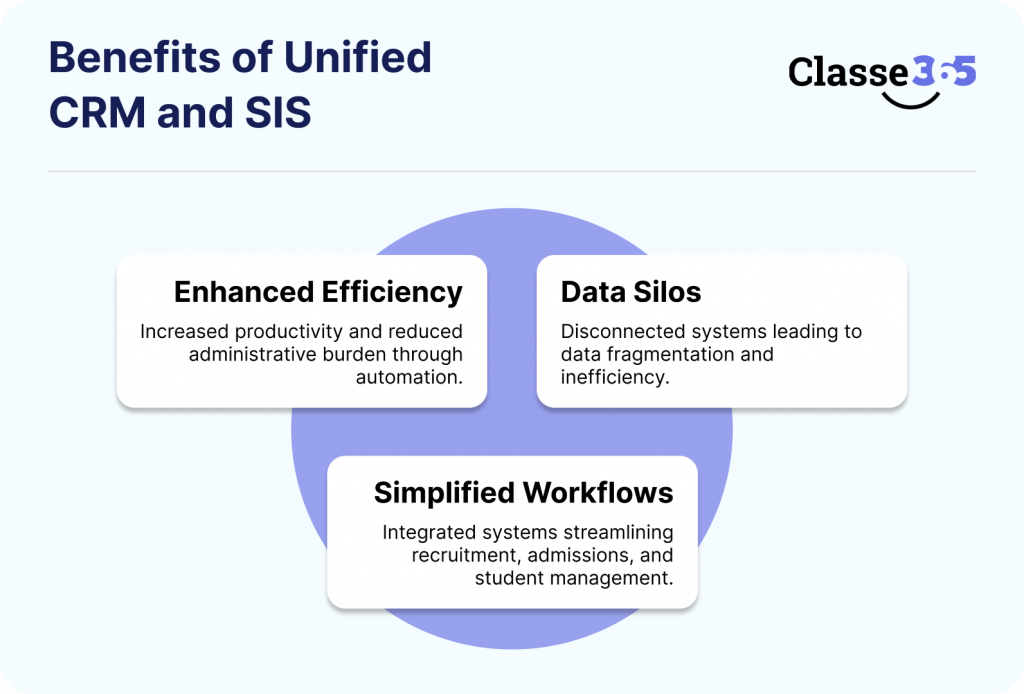
Many institutions currently use multiple disconnected systems for:
- Recruitment Crm
- Admissions Management
- Student Information Systems
This fragmentation often creates data silos and manual administrative work.
Unified platforms simplify these workflows by allowing institutions to manage recruitment, admissions, enrollment, and student records within a single system.
Platforms like Classe365 address this challenge by combining CRM and SIS functionality into one integrated platform.
AI CRM Feature Comparison: Classe365 vs Leading Education CRMs
When evaluating AI-driven CRM platforms for education, institutions typically compare capabilities across four major areas:
- Lead Management
- Admissions Automation
- Ai Analytics
- Sis Integration
The table below compares how leading CRM platforms support these features.
| Feature | Classe365 | Salesforce Education Cloud | Element451 | LeadSquared | HubSpot |
| Lead Management | Native student lead tracking | Custom CRM pipelines | AI engagement tracking | Inquiry pipeline management | Marketing lead tracking |
| Admissions Workflow Automation | Built-in admissions workflows | Configurable automation | Automated communication journeys | Admissions pipeline automation | Marketing workflow automation |
| AI Recruitment Analytics | Enrollment insights dashboard | Advanced predictive analytics | AI engagement insights | Basic reporting analytics | Marketing analytics |
| Omnichannel Communication | Email, SMS, WhatsApp | Email and marketing automation | AI chatbots and messaging | Email and SMS campaigns | Email and chat automation |
| Application Management | Built-in application portal | Requires configuration | Limited admissions tools | Application tracking workflows | Limited support |
| SIS Integration | Native SIS included | API and partner integrations | SIS integration connectors | API integrations | Third-party connectors |
| Student Lifecycle Management | End-to-end lifecycle platform | Partial lifecycle support | Recruitment focused | Admissions focused | Marketing focused |
Future of AI-Driven Enrollment Systems
Artificial intelligence is rapidly transforming enrollment management across education institutions.
Admissions teams increasingly rely on AI to analyze historical enrollment data, engagement patterns, and demographic trends to forecast future recruitment outcomes.
AI is also enabling the rise of conversational admissions assistants that answer prospective student questions in real time and guide applicants through the enrollment process.
Another major trend is the adoption of unified student lifecycle platforms that combine CRM, SIS, learning management systems, and financial systems. These platforms allow institutions to centralize student data and reduce operational complexity.
As competition for student enrollment continues to increase, institutions that adopt AI-driven CRM and SIS technologies will be better positioned to optimize recruitment strategies and improve enrollment outcomes.
FAQ
What is an AI CRM for education?
An AI CRM for education is a recruitment platform that uses artificial intelligence to manage prospective student interactions, automate admissions workflows, and track recruitment pipelines.
How does CRM integrate with SIS platforms?
CRM systems integrate with Student Information Systems through APIs or native integrations that automatically transfer admissions data into institutional student records.
Which CRM is best for student recruitment?
The best CRM depends on institutional needs. Some universities prefer enterprise CRM platforms, while others choose unified solutions that combine CRM and SIS functionality.
Can AI predict student enrollment?
Yes. AI models can analyze historical admissions data and engagement patterns to estimate the likelihood that prospective students will enroll.
What is the difference between CRM and SIS?
A CRM manages prospective student relationships and recruitment pipelines, while an SIS manages academic records and administrative data for enrolled students.
Why is CRM-SIS integration important?
CRM-SIS integration eliminates manual data entry and ensures accurate student records across institutional systems.
Do small institutions need CRM software?
Yes. Even smaller institutions benefit from CRM platforms because they help manage recruitment pipelines and automate communication with prospective students.
Why are unified CRM and SIS platforms growing in popularity?
Unified platforms simplify institutional technology stacks by allowing recruitment, admissions, enrollment, and student record management within a single system.