




Choosing the best education CRM is critical for institutions looking to increase student admissions, improve lead management, and boost enrollment conversion rates. With rising competition and longer decision cycles, schools, colleges, universities, and training institutes need a student CRM that can capture inquiries, automate follow-ups, and track applicants across the entire admissions funnel. The best education CRM software not only centralizes student data but also helps admissions teams respond faster, nurture leads effectively, and reduce manual workload.
Modern education CRMs are built to manage student lifecycle stages, including inquiry management, application tracking, admissions automation, and student engagement. Institutions using admissions CRM software often see improvements in inquiry-to-enrollment conversion, better communication consistency, and stronger retention outcomes. However, not all education CRM platforms offer the same capabilities, which makes choosing the right solution essential for long-term admissions growth.
In this guide, we compare the best education CRM systems for admissions and retention based on real admissions impact, automation capabilities, integrations, and scalability. Whether you’re searching for the best CRM for universities, CRM for colleges, student recruitment CRM, or admissions management software, this list will help you identify the right platform to improve enrollment performance and streamline admissions operations.
How to Choose the Right CRM for Your Institution
Choosing the right education CRM depends on your institution type, admissions workflow, and growth goals. Instead of comparing long feature lists, focus on how the CRM supports lead management, admissions automation, and student engagement. The framework below simplifies the decision.
Based on Institution Type
- Small institutes → simplicity and affordability
Small schools and training centers need an easy-to-use CRM that captures inquiries, automates follow-ups, and tracks conversions without complex setup or high costs. - Universities → scalability and integrations
Universities require a scalable CRM that can handle high inquiry volumes, multiple programs, and integrate with SIS, LMS, and application portals. - EdTech providers → automation and engagement
EdTech companies benefit from CRMs with multi-channel communication, lead nurturing workflows, and automation to manage high-volume digital inquiries.
Based on Use Case
- Lead management
Choose a CRM that centralizes inquiries and provides pipeline visibility if your team struggles with missed follow-ups. - Admissions automation
If manual processes slow down conversions, prioritize CRMs that automate workflows and communication. - Retention and engagement
For improving student relationships post-enrollment, select CRMs with lifecycle communication and engagement tracking, including alumni management.
Key Features to Prioritize
- Lead tracking and pipeline visibility
Helps identify where applicants drop off and improves conversion rates. - Automation (email, SMS, WhatsApp)
Ensures faster response times and consistent communication. - Reporting and dashboards
Provides insights into inquiry sources and admissions performance. - SIS integration
Ensures seamless transition from applicant to enrolled student and reduces manual work.
Quick Comparison: Best Education CRMs at a Glance
| CRM | Best For | Key Strength | Limitation |
| Classe365 | All-in-one education management | CRM + SIS integration | Requires onboarding |
| Salesforce Education Cloud | Large universities | Deep customization | Expensive, complex |
| HubSpot CRM | Small-to-mid institutions | Easy UI, automation | Cost scales fast |
| Zoho CRM | Budget-conscious teams | Customization | Complex setup |
| Element451 | Enrollment marketing | AI personalization | Higher learning curve |
| LeadSquared | High-volume admissions | Fast lead routing | Limited ecosystem |
| Slate | University admissions | Application workflows | Expensive |
| Ellucian CRM | Higher education | SIS integration | Enterprise-heavy |
| Microsoft Dynamics 365 | Large institutions | Flexibility | Requires customization |
Best Education CRMs for Admissions and Retention
1. Classe365 (Best All-in-One CRM + SIS for Admissions and Retention)
Core Insight:
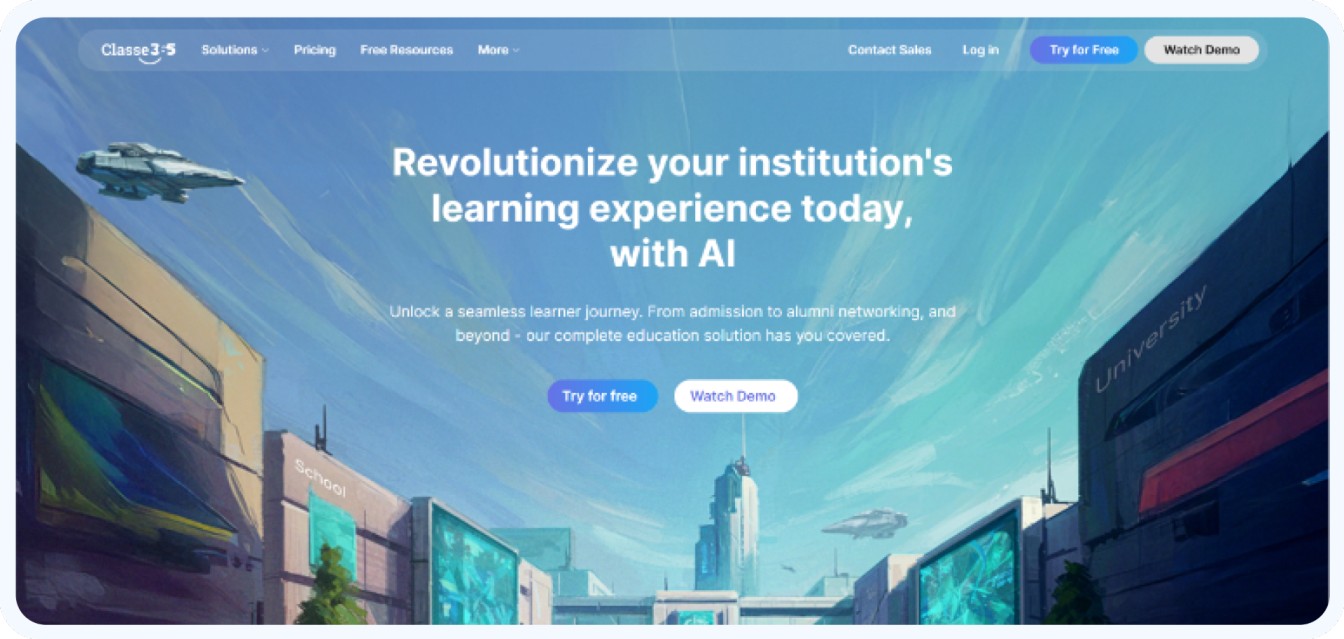
Most education CRMs solve only lead management, but Classe365 manages the complete student lifecycle — from inquiry and admissions to enrollment, academics, and alumni engagement — within one unified platform.
What it offers:
- Built specifically for education
Designed for schools, universities, and EdTech providers, the platform supports admissions workflows, student management, and engagement without requiring heavy customization. - Combined CRM + SIS + LMS in one system
Institutions can manage admissions, academics, communication, and learning from a single dashboard, reducing operational complexity. - Unified student lifecycle management
Tracks prospects from inquiry to alumni while maintaining consistent data across departments. - Automation for admissions and engagement
Enables automated follow-ups, application tracking, and communication to improve conversion rates and student experience.
Why this matters:
- Eliminates data silos
Many institutions struggle with disconnected systems for CRM, SIS, and LMS. Classe365 centralizes data, improving visibility and collaboration. - Reduces tool dependency
Using one platform removes the need for multiple integrations, lowering costs and simplifying operations. - Improves team adoption
A unified interface helps admissions, academic, and operations teams work within the same system.
Best for:
- Schools and colleges seeking unified operations
- Universities managing admissions and retention together
- EdTech providers needing lifecycle engagement
Key advantage over others:
- No data silos between admissions and academics
- Faster implementation compared to multi-tool stacks
- Supports both admissions and retention workflows
- One of the few platforms combining CRM, SIS, and LMS natively
Insight:
A true all-in-one education platform that connects admissions, student management, and retention in a single system.
2. Salesforce Education Cloud (Best for Enterprise Institutions)
Core Insight:
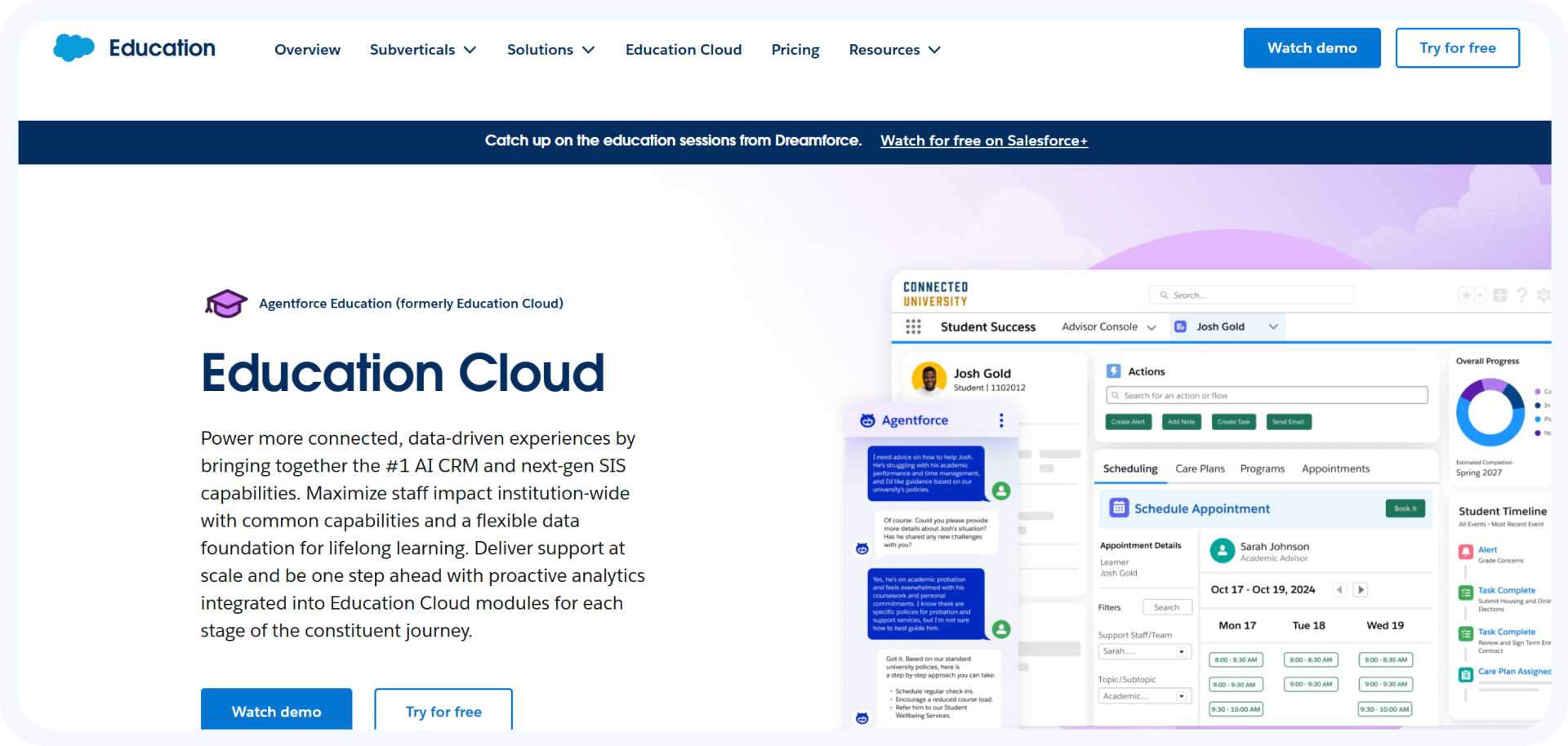
Salesforce is the most powerful CRM, but also the most complex.
What it offers:
- End-to-end lifecycle tracking (prospect → alumni)
- AI-driven engagement and automation
- Deep customization across departments
Proven impact:
- ~5.5% increase in enrollment
- ~15% improvement in retention (Forrester study)
Reality check:
- Requires dedicated admin + implementation team
- High cost and setup time
Best for:
- Large universities with IT teams
Insight: Powerful, but overkill for most institutions.
3. HubSpot CRM (Best for Ease of Use and Marketing Automation)
Core Insight:
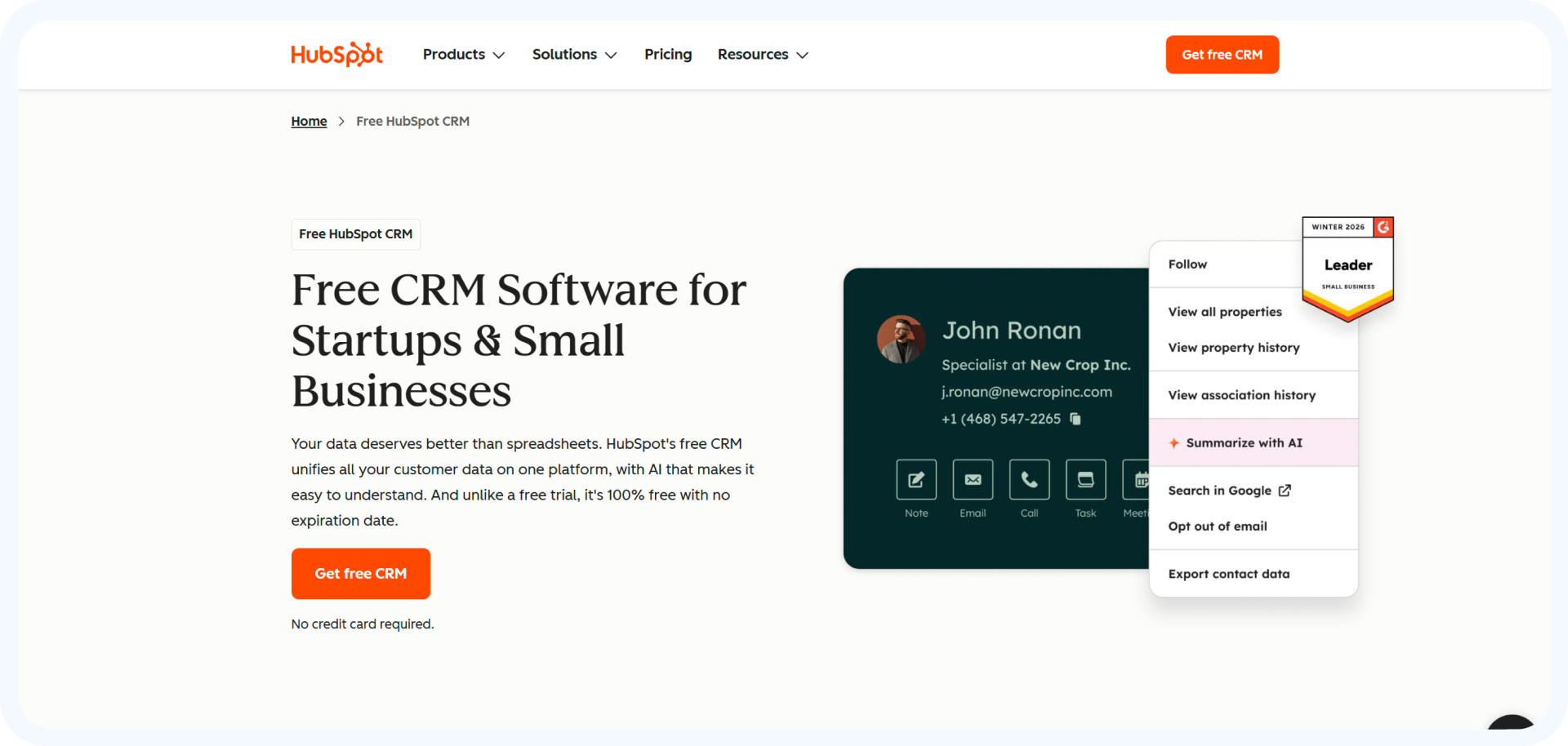
HubSpot CRM is strong in marketing-driven admissions, but it is not built specifically for education workflows.
What it offers:
- Marketing automation and email workflows
Enables institutions to nurture leads with automated email sequences and campaign-based communication. This is particularly useful for content-led admissions strategies. - Clean and intuitive user interface
Admissions teams can quickly adopt the platform without extensive training, reducing onboarding friction and improving productivity. - Built-in forms and landing pages
Helps capture inquiries directly from campaigns and websites, centralizing lead data for better tracking and follow-ups.
Reality check:
- No native admissions workflows
Institutions must customize pipelines for application stages, which can slow down implementation for education-specific needs. - Limited student lifecycle management
HubSpot focuses mainly on pre-enrollment engagement and requires integrations for academic or retention workflows.
Best for:
- Small to mid-sized institutions
- Marketing-led admissions teams
- Institutions prioritizing inbound lead generation
Insight:
Excellent for lead nurturing and marketing automation, but not a complete admissions and retention system.
4. Zoho CRM (Best Budget-Friendly Customizable CRM)
Core Insight:
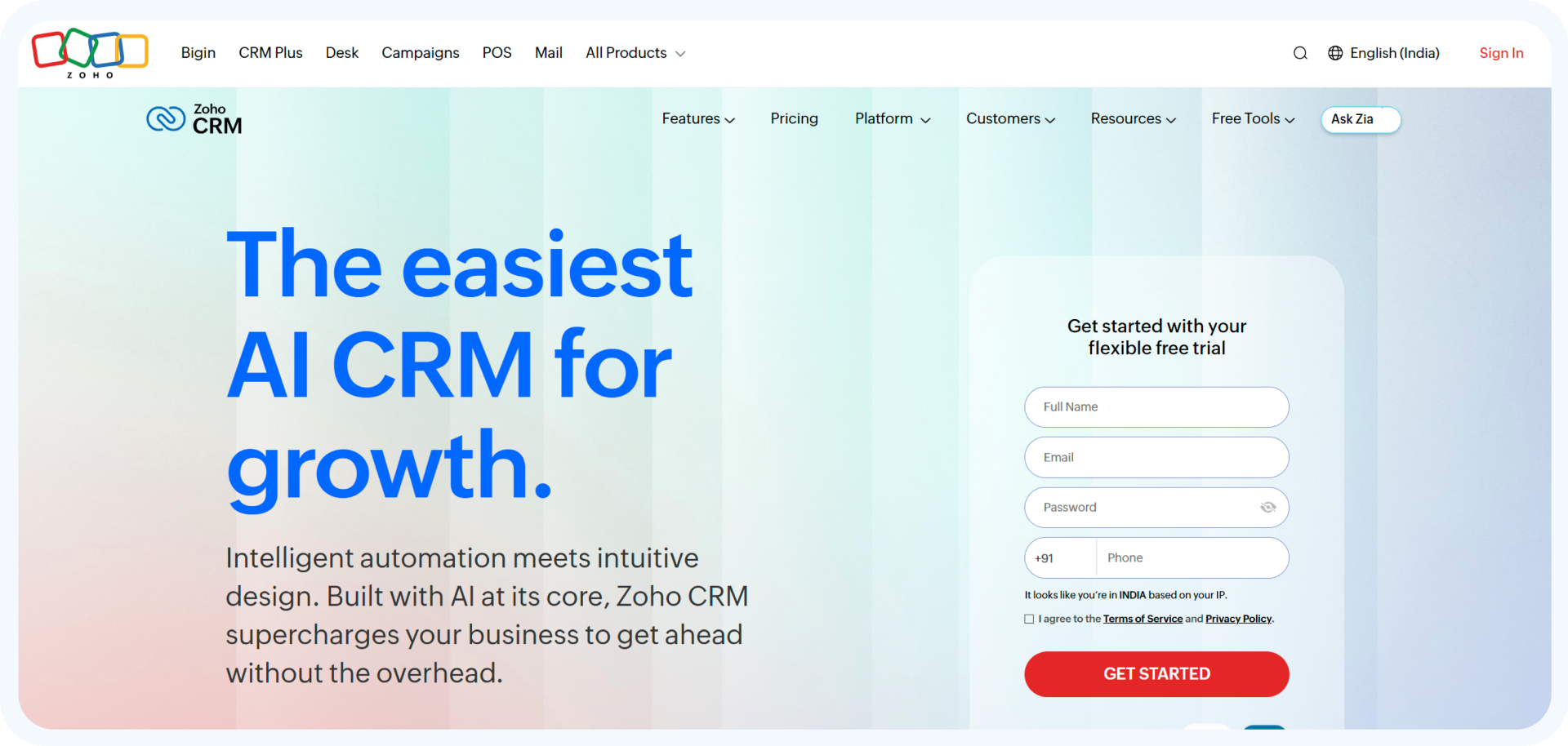
Zoho CRM is flexible and affordable, but requires configuration to fit education admissions workflows.
What it offers:
- Workflow automation and customization
Allows institutions to design custom pipelines, automate follow-ups, and tailor admissions stages to match internal processes. - AI-powered insights with Zia
Zoho’s AI assistant provides predictions and analytics that help admissions teams prioritize leads and optimize communication. - Large ecosystem of integrations
Connects with multiple Zoho apps and third-party tools, enabling institutions to build a broader operational stack.
Reality check:
- Complex interface for new users
The flexibility can make navigation overwhelming, especially for teams without CRM experience. - Requires technical setup
Institutions may need technical support to configure admissions workflows effectively.
Best for:
- Budget-conscious institutions
- Teams comfortable with customization
- Organizations needing flexible workflows
Insight:
Cost-effective and flexible, but success depends heavily on proper implementation.
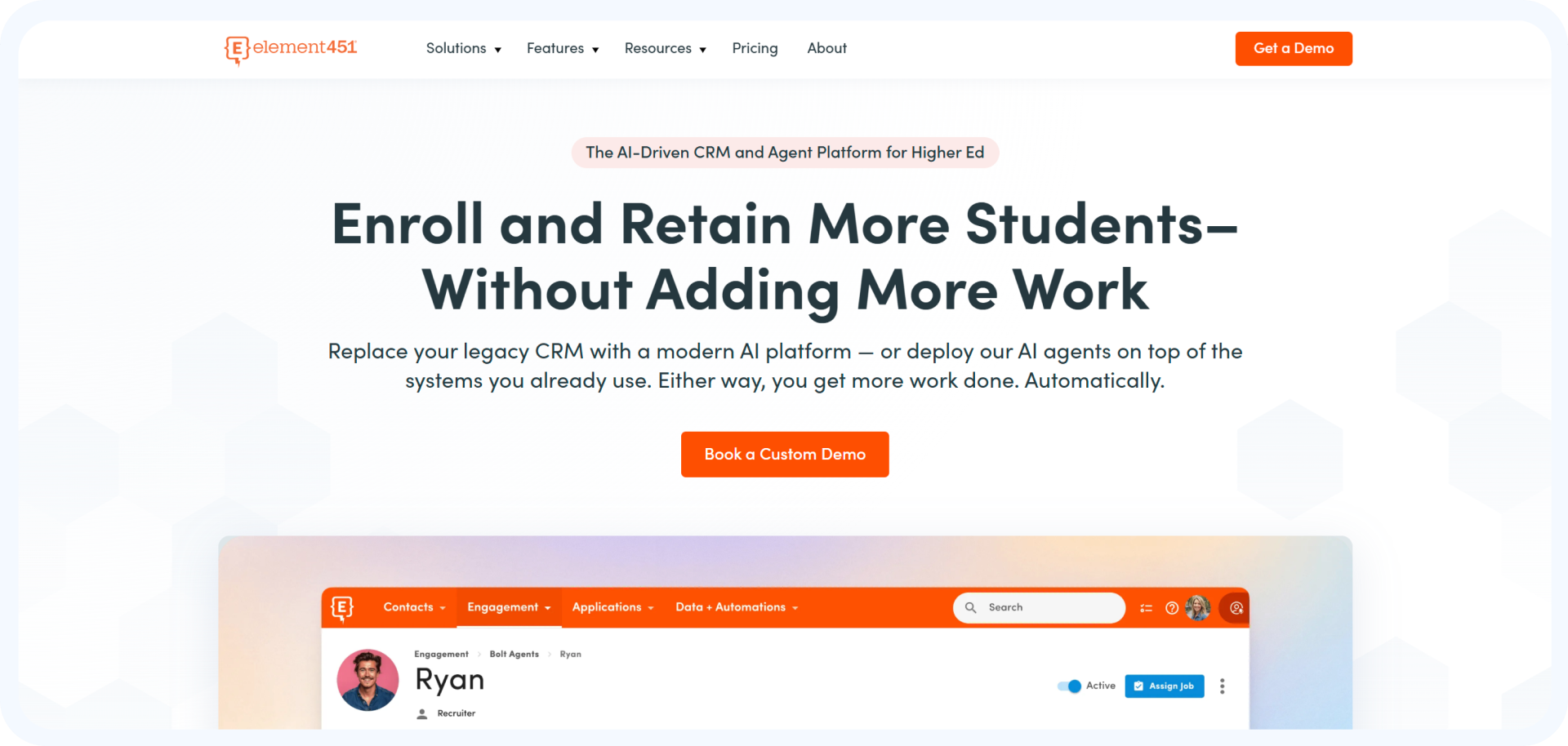
5. Element451 (Best for AI-Driven Student Engagement)
Core Insight:
Element451 focuses on AI-powered communication and personalization across the student journey.
What it offers:
- AI agents for student engagement
Automates conversations and responses, helping institutions maintain consistent communication at scale. - Behavioral tracking and personalization
Tracks student interactions and tailors messaging to improve engagement and conversion rates. - Automated follow-ups and workflows
Reduces manual workload by triggering communication based on applicant behavior.
Reality check:
- Higher learning curve
AI-driven features require teams to adapt workflows and understand automation logic. - Not a full operational platform
Focuses more on engagement than academic or lifecycle management.
Best for:
- Universities prioritizing personalization
- Institutions focused on engagement analytics
- Teams experimenting with AI-driven admissions
Insight:
Strong engagement capabilities, but not a complete student lifecycle system.
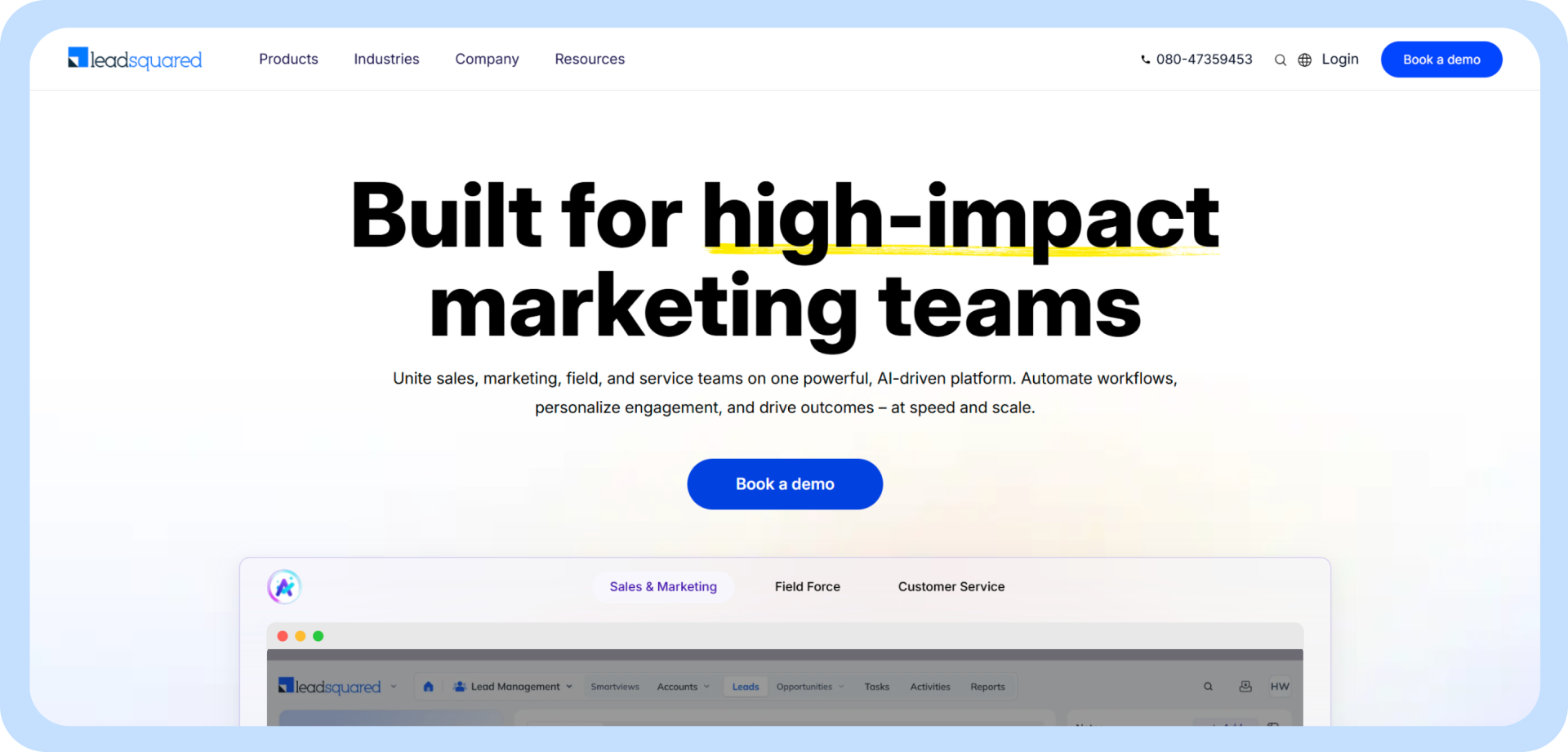
6. LeadSquared (Best for High-Volume Admissions Teams)
Core Insight:
LeadSquared is designed for speed and lead management, making it suitable for high-volume admissions environments.
What it offers:
- Real-time lead tracking
Captures inquiries instantly and assigns them to admissions teams, reducing response delays. - Automated workflows and drip campaigns
Helps nurture leads with structured follow-up sequences, improving engagement. - Lead scoring and prioritization
Allows teams to focus on high-intent applicants and optimize conversion efforts.
Reality check:
- Limited beyond admissions
Focuses primarily on lead management without full student lifecycle capabilities. - Not built for retention workflows
Institutions may require additional tools for post-enrollment engagement.
Best for:
- Institutions handling large lead volumes
- Admissions call centers
- Marketing-driven enrollment teams
Insight:
Great for admissions acceleration, but lacks deeper retention and lifecycle management.
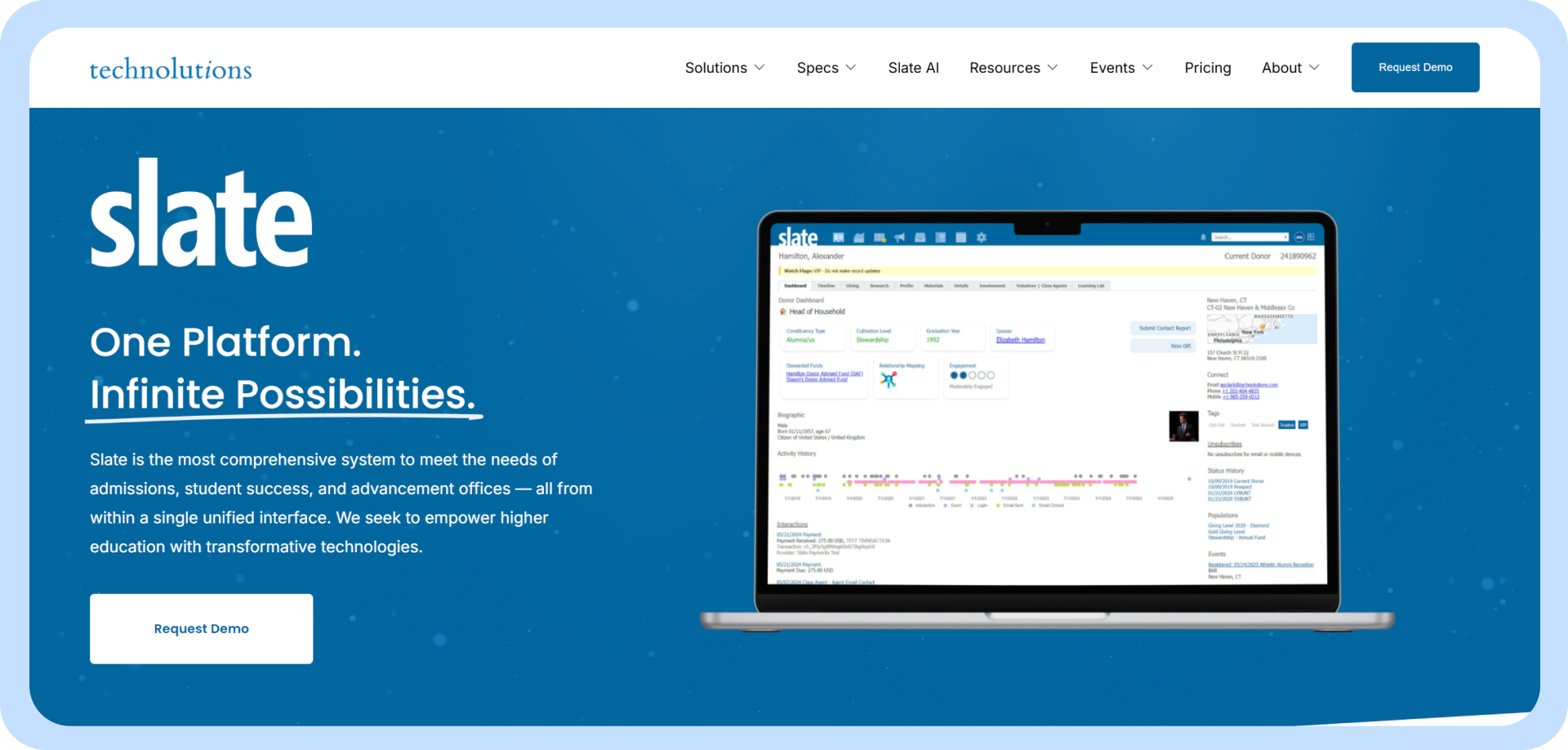
7. Slate by Technolutions (Best for University Admissions Workflows)
Core Insight:
Slate is widely used in higher education for structured admissions management.
What it offers:
- Application and enrollment workflows
Designed specifically for managing university admissions processes and application tracking. - Event and communication management
Supports campus events, communications, and applicant engagement activities. - Education-specific data models
Built for higher education reporting and admissions analytics.
Reality check:
- Complex to manage
Requires training and dedicated resources to handle configuration. - Primarily admissions-focused
Limited functionality for retention and lifecycle engagement.
Best for:
- Universities with structured admissions processes
- Higher education institutions
- Teams needing advanced application workflows
Insight:
Strong for admissions management, but limited beyond enrollment.
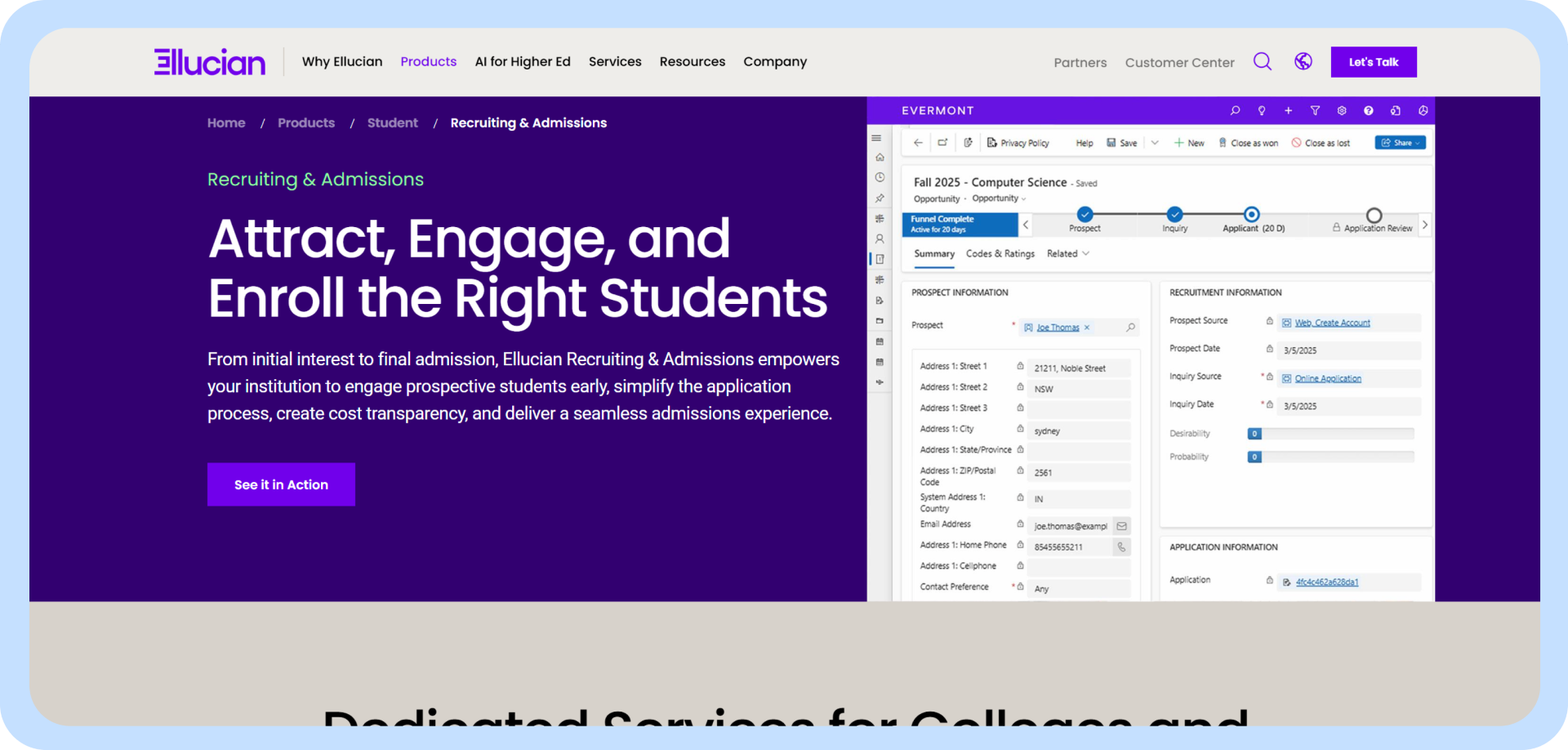
8. Ellucian CRM (Best for SIS Integration in Higher Education)
Core Insight:
Ellucian CRM focuses on connecting recruitment and retention with academic systems.
What it offers:
- Strong SIS integration
Enables seamless data flow between admissions and academic records. - Recruitment and retention workflows
Supports lifecycle communication across student stages. - Higher education-focused architecture
Designed specifically for university processes and reporting.
Reality check:
- Enterprise-heavy implementation
Deployment can be complex and resource-intensive. - Limited flexibility outside ecosystem
Works best within the Ellucian product environment.
Best for:
- Universities already using Ellucian products
- Large higher education institutions
- Teams prioritizing SIS connectivity
Insight:
Strong integration capabilities, but less flexible outside its ecosystem.
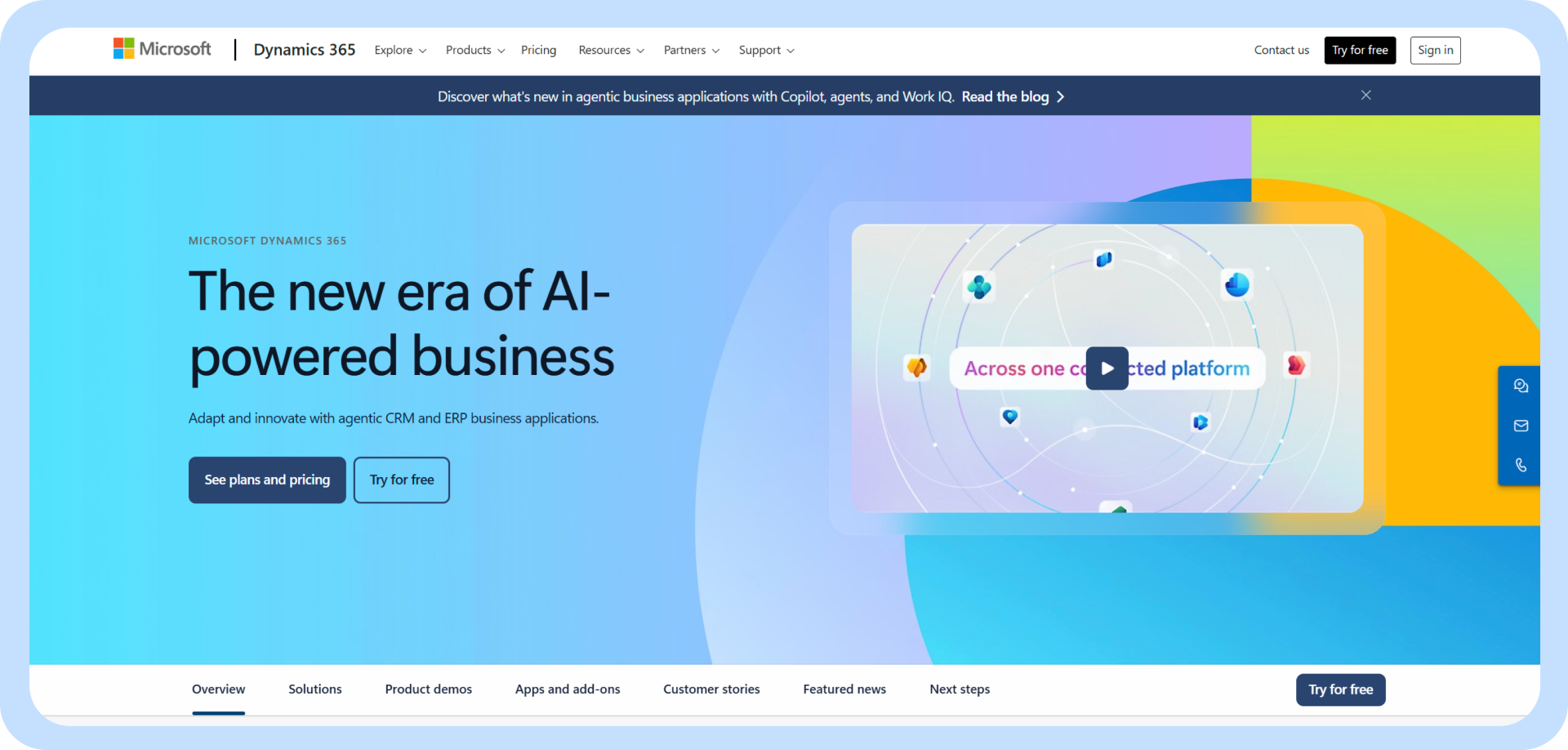
9. Microsoft Dynamics 365 (Best for Enterprise Flexibility)
Core Insight:
Microsoft Dynamics 365 is highly flexible but requires customization for education use cases.
What it offers:
- Integration with Microsoft ecosystem
Works seamlessly with Microsoft tools like Outlook, Teams, and Power Platform. - Automation using Power Automate
Allows institutions to design automated workflows across systems. - Advanced analytics with Power BI
Provides detailed insights into admissions and engagement performance.
Reality check:
- Not education-native
Requires configuration to align with admissions workflows. - High setup complexity
Implementation often needs technical expertise and time.
Best for:
- Large institutions using Microsoft tools
- Organizations needing flexibility
- Teams with technical support
Insight:
Powerful and flexible, but requires heavy customization for education.
CRM vs SIS: What Institutions Often Get Wrong
Many institutions assume a CRM and a Student Information System (SIS) are interchangeable. They are not. An education CRM is built to manage prospective students — capturing inquiries, automating follow-ups, and tracking applicants through the admissions funnel. A SIS, on the other hand, is designed for enrolled students, handling academic records, attendance, fees, and operational workflows.
The problem arises when institutions rely on only one of these systems. Using just a CRM means losing visibility after enrollment, while using only an SIS leaves gaps in lead management and admissions automation. This disconnect often forces teams to manually transfer data between systems, creating delays, duplicate records, and inconsistent communication.
The real value comes when CRM and SIS capabilities work together. When both are connected, institutions can track a student from first inquiry to enrollment and beyond without switching tools. Admissions teams, academic staff, and administrators all work from the same data, improving collaboration and reducing operational friction.
Most platforms require third-party integrations to connect CRM and SIS functionality, which increases complexity and implementation time. This is why institutions increasingly prefer solutions that combine both capabilities natively, ensuring seamless data flow across the entire student lifecycle.
Before vs After Using an Education CRM
| Without CRM | With CRM |
| Manual follow-ups | Automated workflows |
| Scattered leads | Centralized pipeline |
| Delayed responses | Instant engagement |
| Limited insights | Real-time dashboards |
Key Benefits of Using an Education CRM
An education CRM helps institutions streamline admissions, improve communication, and increase enrollment conversions. By centralizing inquiries and automating workflows, admissions teams can respond faster, track applicants efficiently, and make data-driven decisions across the student lifecycle.
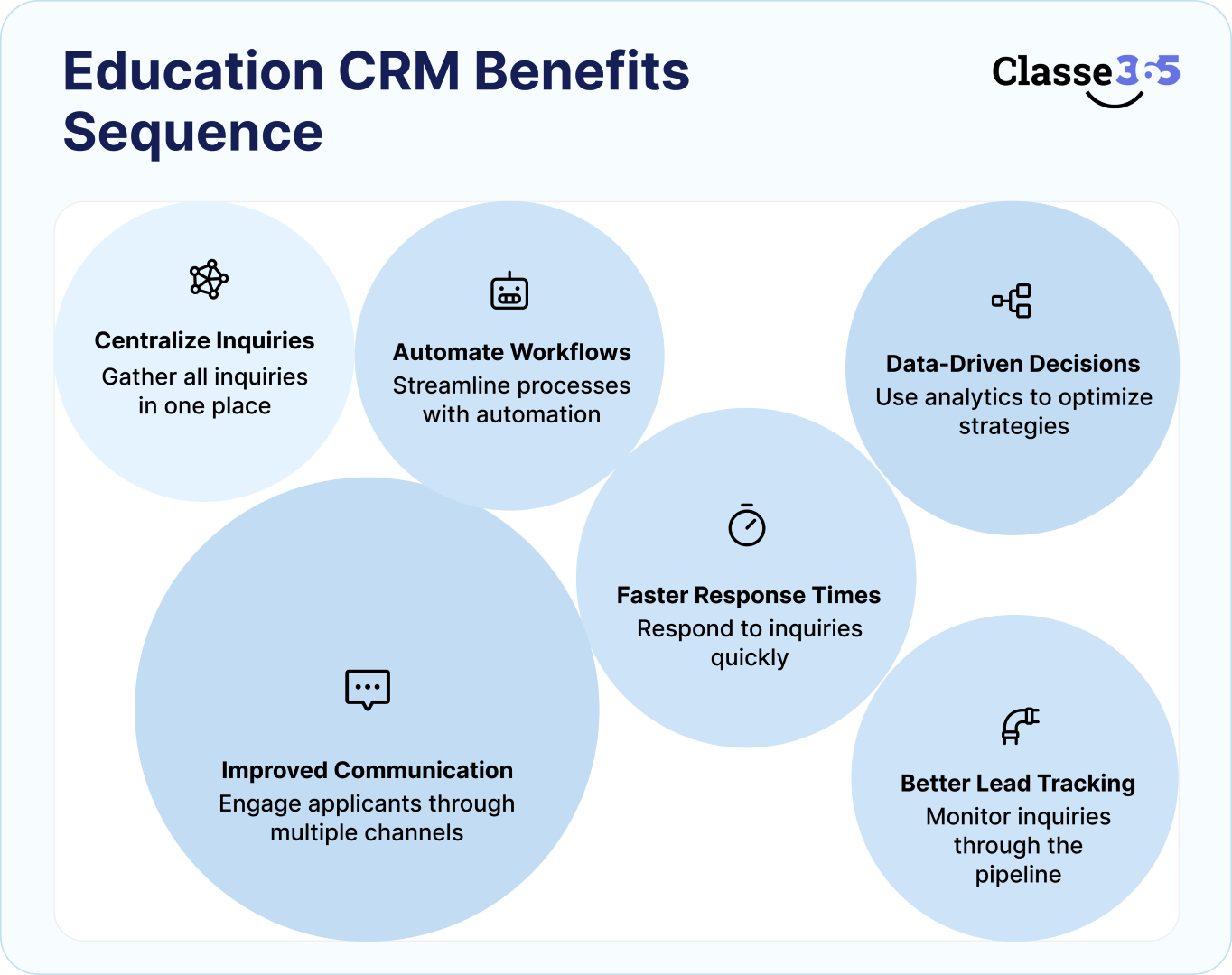
- Faster response times → higher conversions
Automated lead capture and instant follow-ups ensure prospective students receive timely communication. Faster responses significantly improve inquiry-to-application conversion rates. - Better lead tracking → reduced leakage
A centralized pipeline helps admissions teams monitor every inquiry stage. This reduces missed follow-ups and prevents high-intent applicants from dropping off. - Improved communication → better student experience
Multi-channel communication through email, SMS, and messaging platforms keeps applicants engaged. Consistent communication builds trust and improves decision-making. - Data-driven decisions → optimized admissions
Real-time analytics provide insights into lead sources, conversion rates, and performance. Institutions can refine strategies and allocate resources more effectively.
Common Mistakes to Avoid When Choosing a CRM
Selecting the wrong education CRM can slow down admissions processes and create operational inefficiencies. Institutions should focus on alignment with workflows rather than choosing platforms based on surface-level features.
- Choosing based on features, not use case
Many institutions prioritize feature lists instead of evaluating admissions needs. This often results in complex systems that don’t improve conversions. - Ignoring integration requirements
CRMs that don’t connect with existing SIS or marketing tools create data silos. This leads to manual work and inconsistent reporting. - Overcomplicating setup
Highly customizable platforms can require long implementation cycles. Complex setups often delay adoption and reduce team productivity. - Not planning for scalability
A CRM that works for small teams may struggle with growing inquiry volumes. Institutions should choose solutions like Classe365 that support long-term growth across schools, universities, and corporate learning environments.
Choosing the Right CRM Is About Outcomes, Not Features
The best education CRM is not the one with the most features — it’s the one that improves admissions outcomes. Institutions should prioritize platforms that reduce lead leakage, improve response time, and provide clear pipeline visibility.
A CRM that integrates seamlessly with existing systems also ensures smooth data flow from inquiry to enrollment. By focusing on outcomes like higher conversions, better engagement, and operational efficiency, institutions can select a CRM that supports both admissions growth and long-term student retention.
Classe365 is built precisely for this, combining CRM, SIS, and LMS in one platform so institutions never lose sight of a student from first inquiry to graduation and beyond. View pricing or request a demo to see how it works for your institution.
FAQ
1. What is an education CRM and how does it work?
An education CRM is a student relationship management system that helps institutions capture inquiries, automate follow-ups, and track applicants through the admissions funnel. It centralizes prospective student data, improves response time, and increases enrollment conversions by streamlining admissions workflows.
2. What is the difference between an education CRM and a SIS?
An education CRM manages prospective students, lead nurturing, and admissions automation, while a Student Information System (SIS) manages enrolled student data such as attendance, academics, and fees. Institutions achieve the best results when CRM and SIS are integrated to support the full student lifecycle.
3. Which is the best education CRM for student admissions?
The best education CRM for student admissions depends on institution size, automation needs, and integration requirements. Platforms that offer lead tracking, admissions workflows, and lifecycle communication typically perform best for improving enrollment conversions.
4. How does an education CRM improve enrollment conversion rates?
An education CRM improves conversion rates by automating follow-ups, reducing lead leakage, and providing pipeline visibility. Faster response times and personalized communication help institutions engage prospective students more effectively.
5. What features should institutions look for in an education CRM?
Institutions should prioritize lead management, admissions automation, multi-channel communication, reporting dashboards, and SIS integration. These features directly impact admissions efficiency and student engagement.
6. Do universities need a CRM for admissions management?
Yes, universities benefit from CRM software for admissions management because it helps handle high inquiry volumes, automate workflows, and track applicants across multiple programs. A CRM improves collaboration between admissions and academic teams.
7. Can small schools benefit from an education CRM?
Small schools and training institutes can use education CRM software to centralize inquiries, automate communication, and improve response consistency. Even with smaller lead volumes, a CRM reduces manual work and improves conversion tracking.
8. Why is CRM and SIS integration important for institutions?
CRM and SIS integration eliminates data silos between admissions and enrolled student management. This allows institutions to track the complete student journey from inquiry to enrollment and improve operational efficiency.